
Latest Programme Updates
News, field trial results, and regulatory milestones in cassava, maize, and potato biotechnology
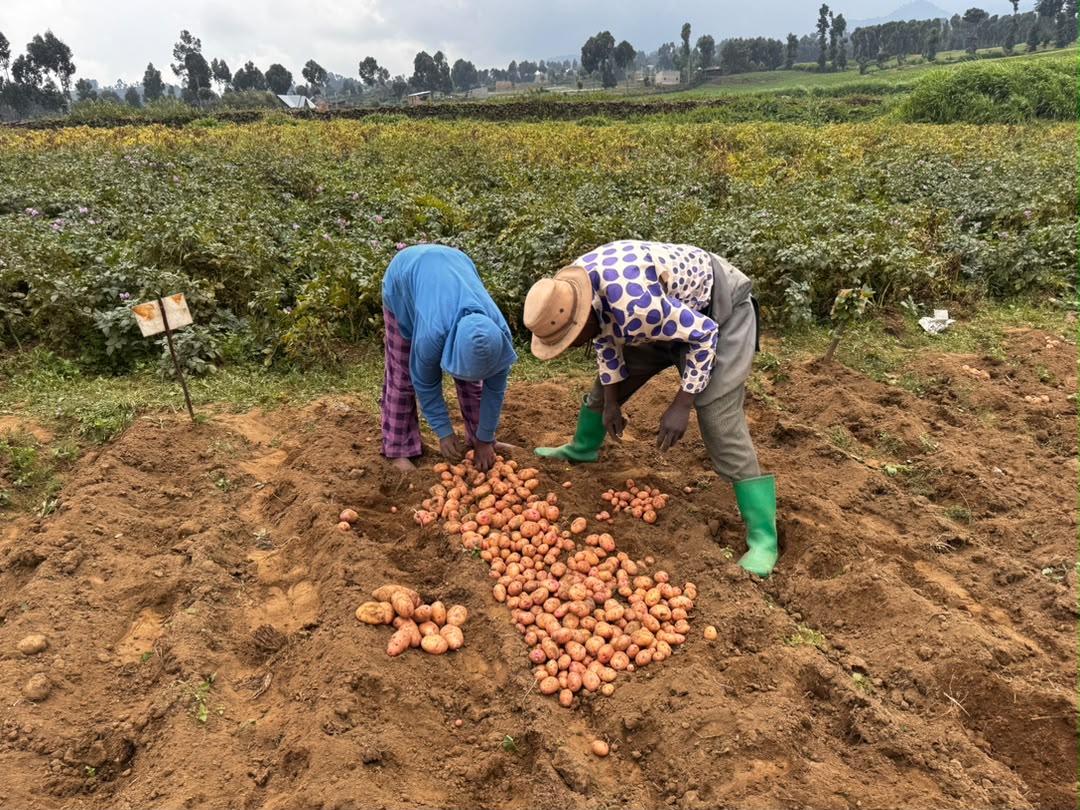
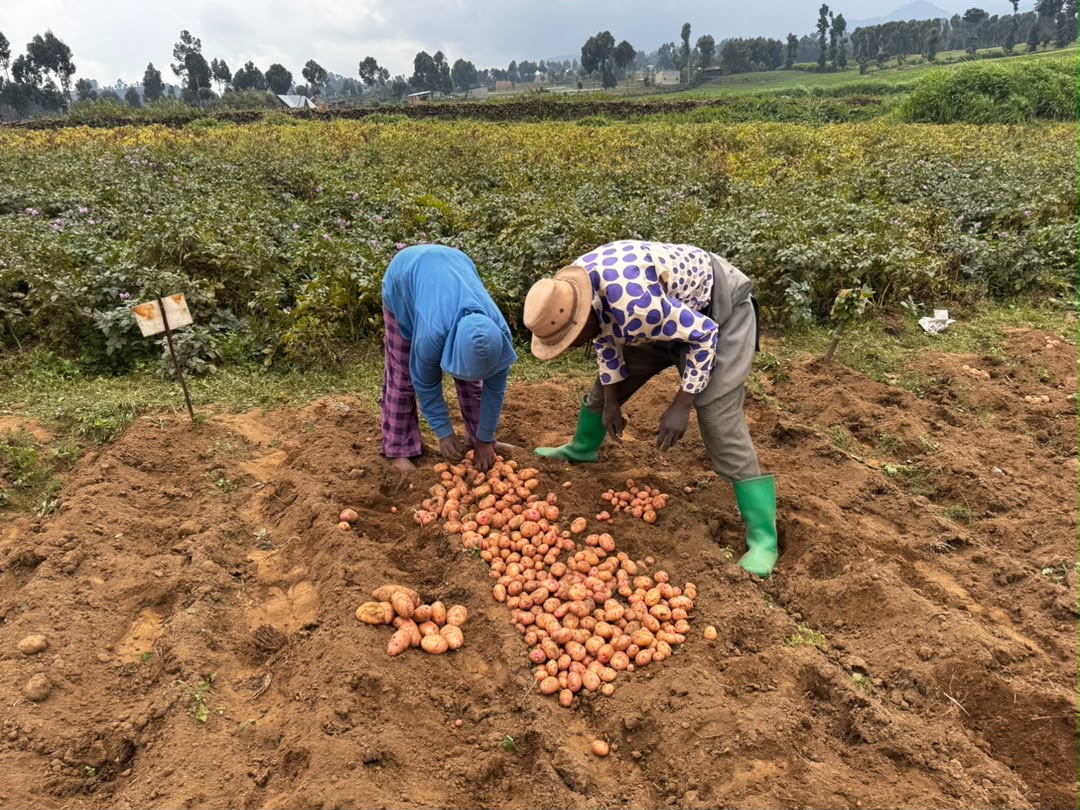
Biotech Potato Harvest Showcases Late Blight Resistance and Yield Potential
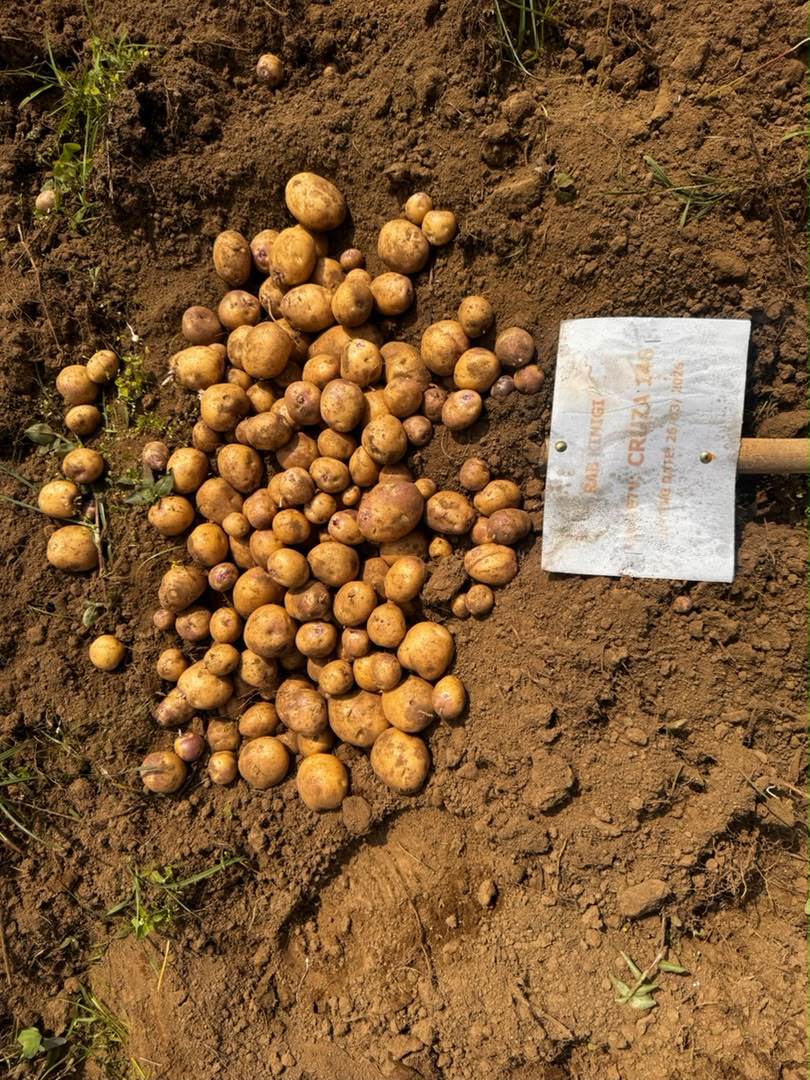
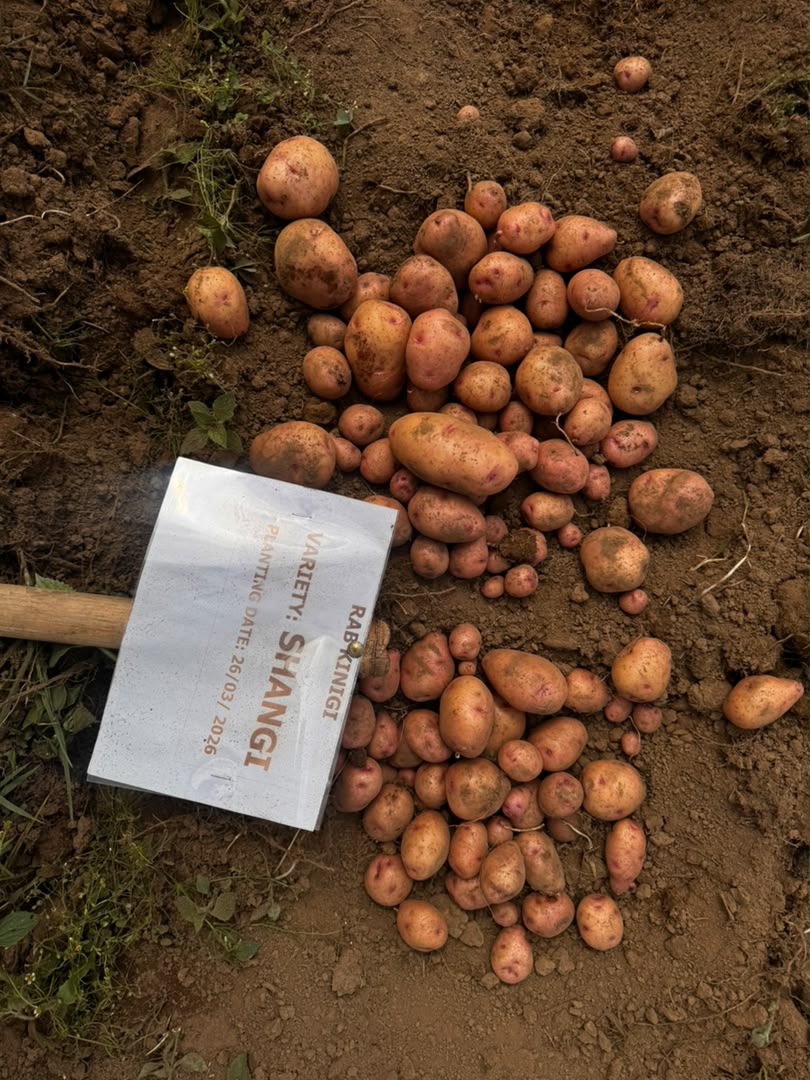
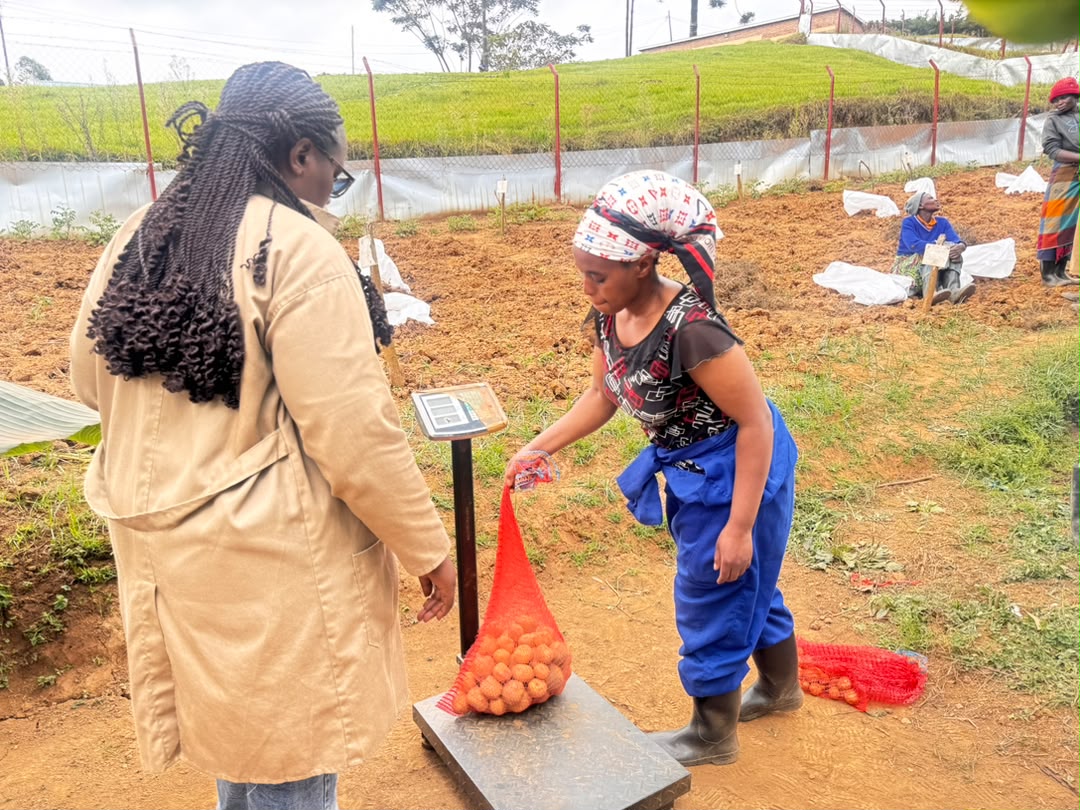
Biotech potato harvesting activities were conducted at Rubavu-Tamira on 14 July 2026 and at Kinigi-Musanze on 15 July 2026. The exercise involved Victoria and Shangi/Ndamira transgenic and non-transgenic potato materials. During the field activities, participants compared the performance of potato materials grown under sprayed and non-sprayed conditions. The harvest also provided an opportunity to assess their field performance, yield response, and ability to withstand late blight pressure. Observations indicated that the performance of Victoria (Vict 185) and Shangi/Ndamira (Sha 105) materials was consistent with results recorded during the previous season. These findings provide useful information for the continued evaluation of biotech potato materials under local growing conditions. The activity brought together researchers, farmers, and other stakeholders, allowing them to observe the potential contribution of biotech potato technologies to improved late blight management, reduced dependence on fungicide applications, and increased potato productivity.
Biotech Maize Harvest and Performance Evaluation Conducted at RAB Musanze Station
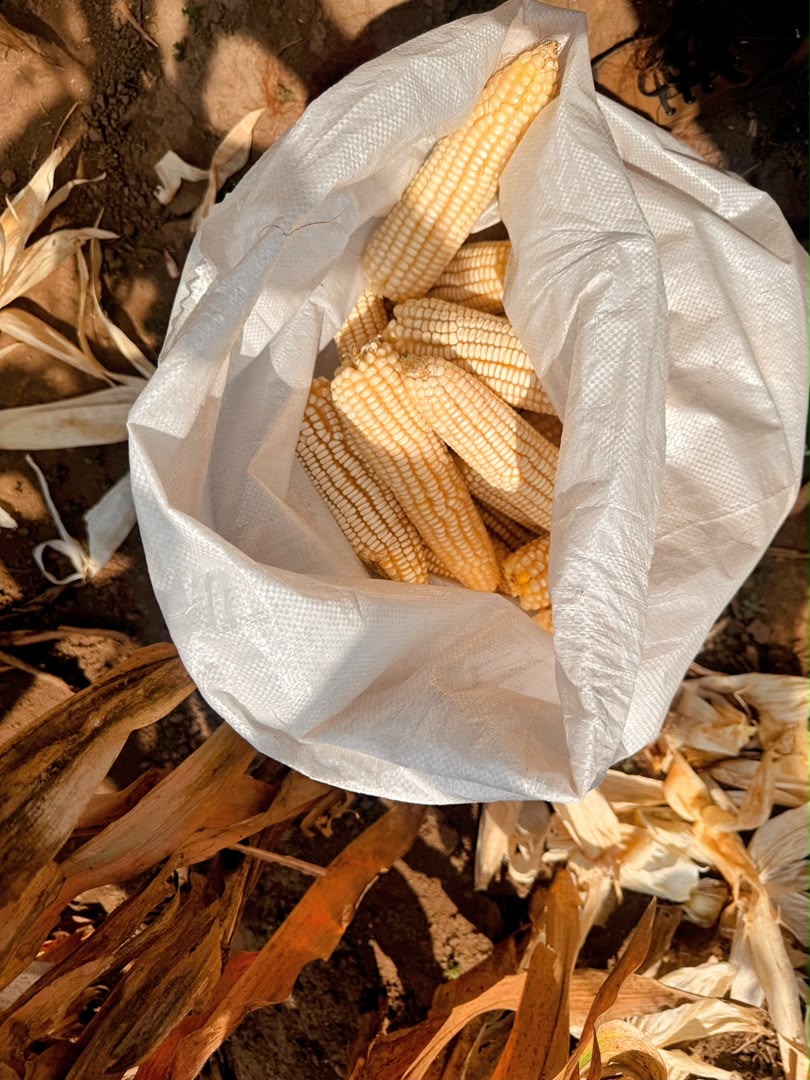
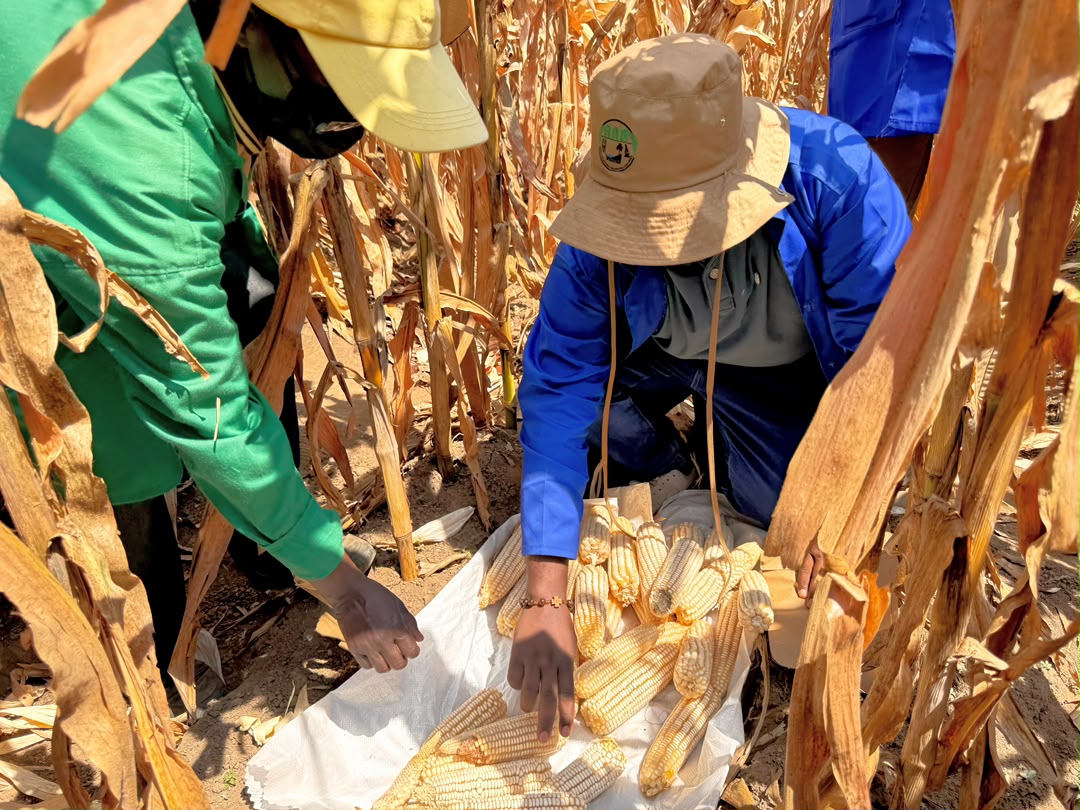
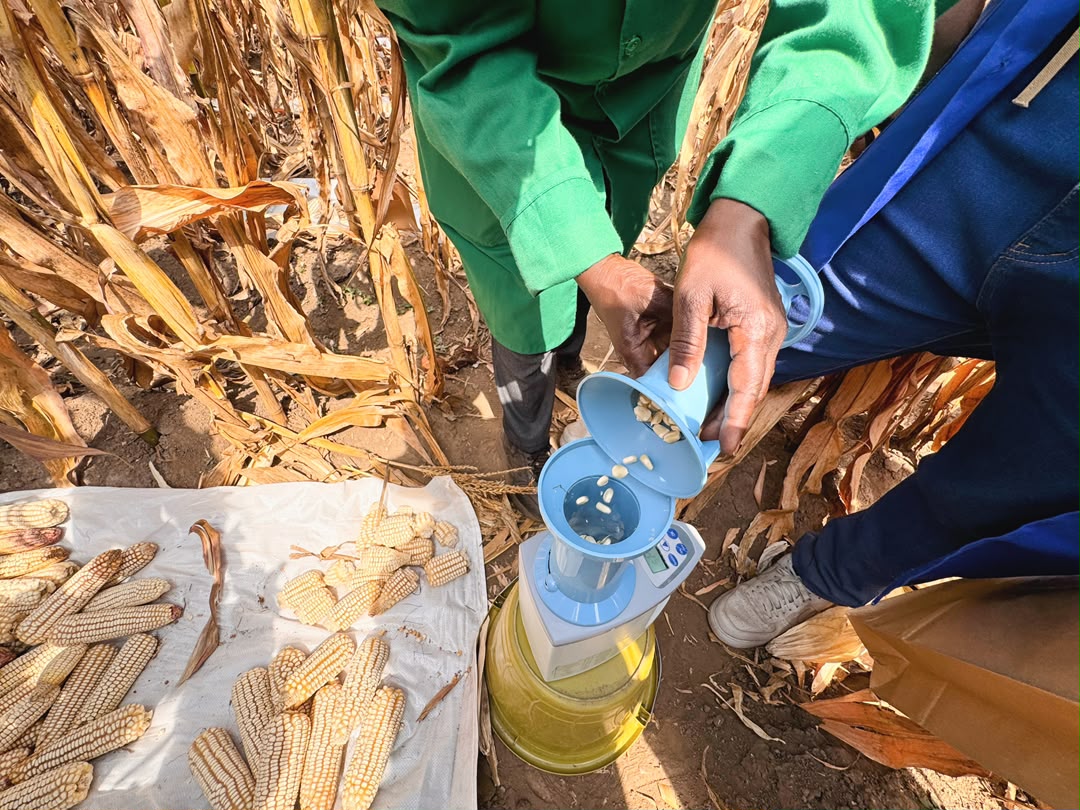
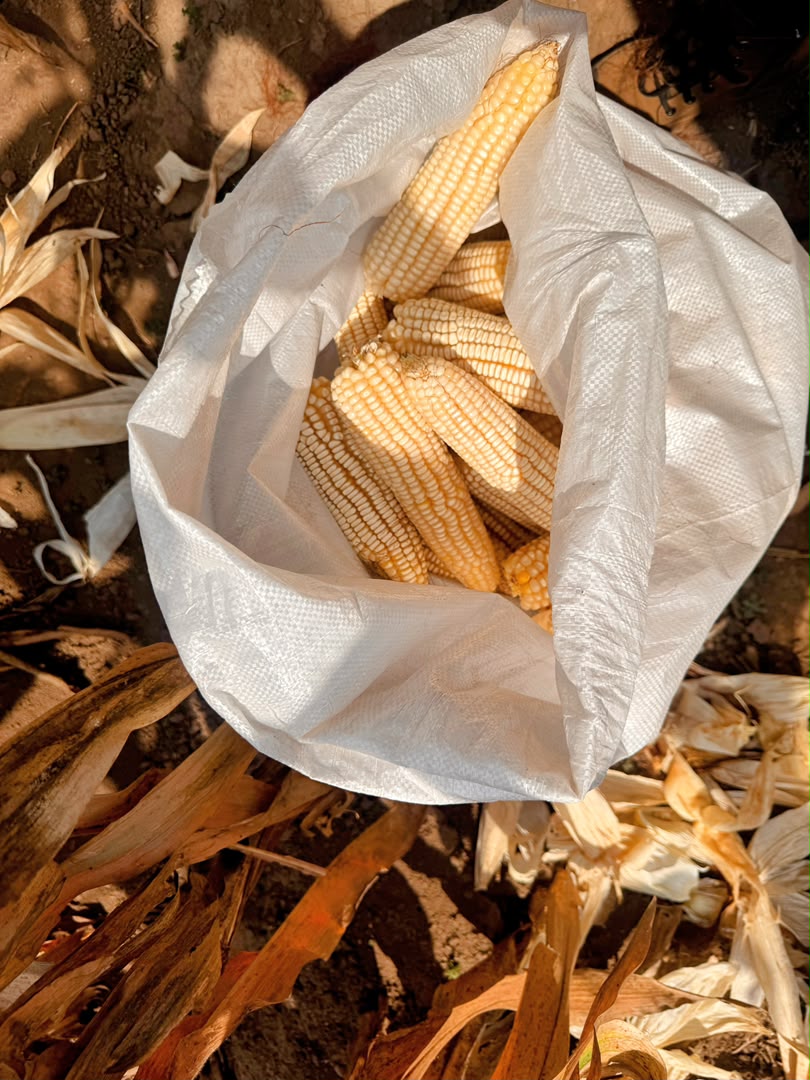
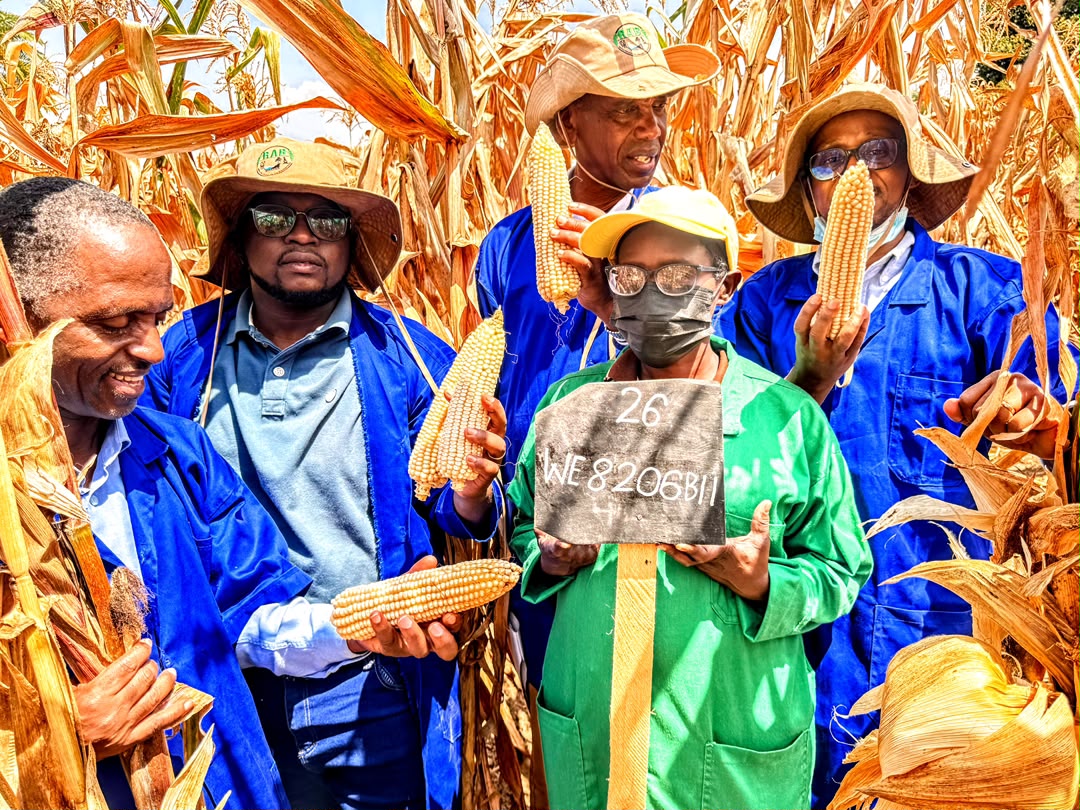
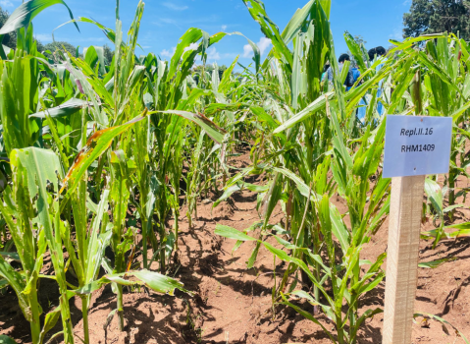
From 16 to 17 July 2026, a biotech maize harvesting and evaluation exercise was conducted at the RAB Musanze Station by Biotech Maize Team. The activity focused on assessing 12 biotech maize varieties grown under fall armyworm-controlled and non-controlled infestation conditions.The harvesting began early on 16 July and continued throughout the day, following the approved trial protocol to ensure accurate and consistent data collection. On 17 July, the team completed the harvesting process and recorded key field and post-harvest measurements. The data collected included the number of harvested plants, fall armyworm damage scores, husk cover, number of ears harvested, ear appearance, ear rot incidence, field weight, grain moisture content, dry ear weight, grain weight, and thousand-kernel weight.These measurements will support the assessment of the varieties’ agronomic performance, tolerance to fall armyworm, grain quality, and yield potential. The findings will contribute to ongoing research aimed at identifying maize varieties with improved productivity and resilience under local growing conditions.
Sensory Evaluation Assesses Consumer Acceptability of Biotech Potato Materials
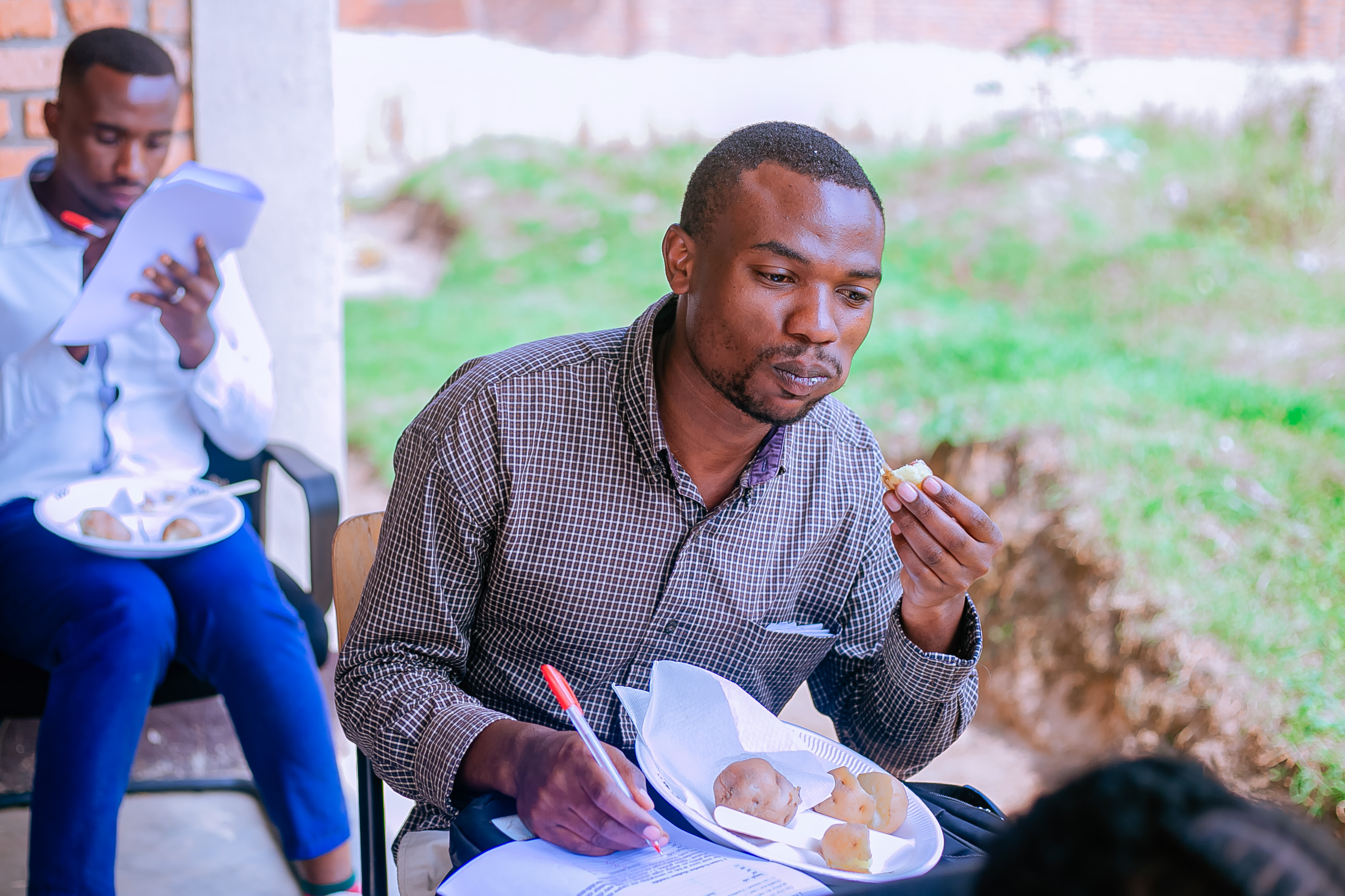
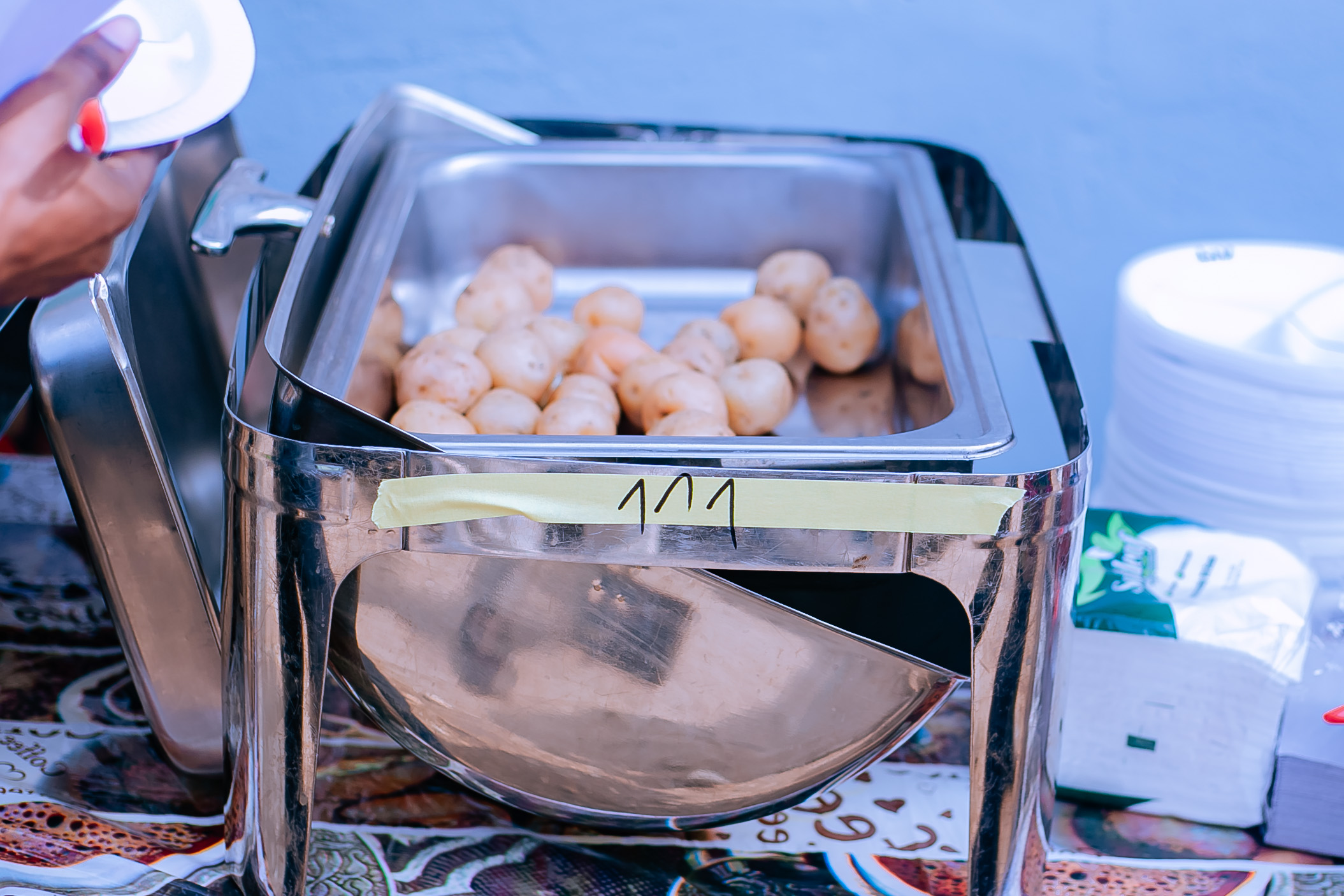
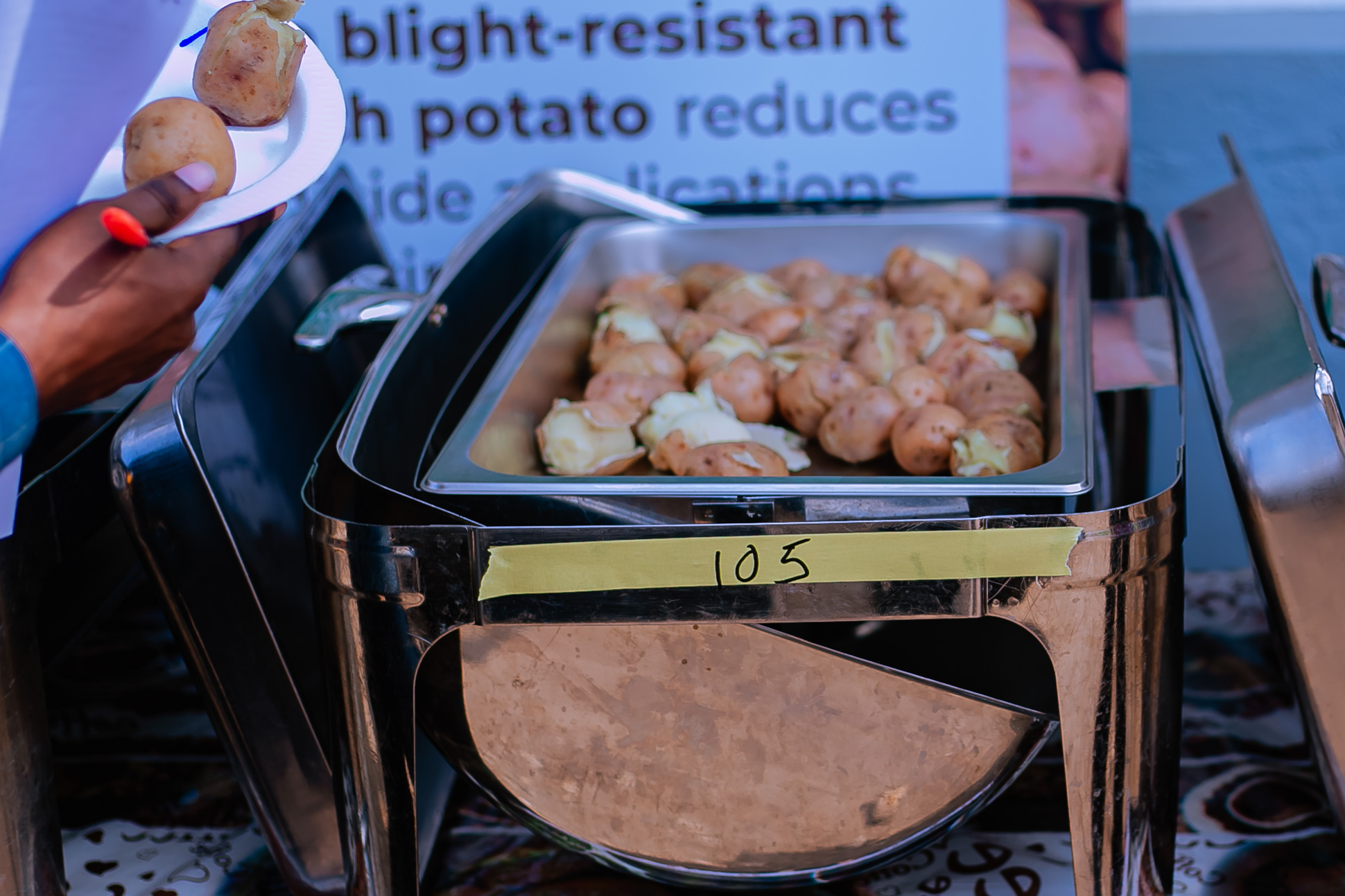
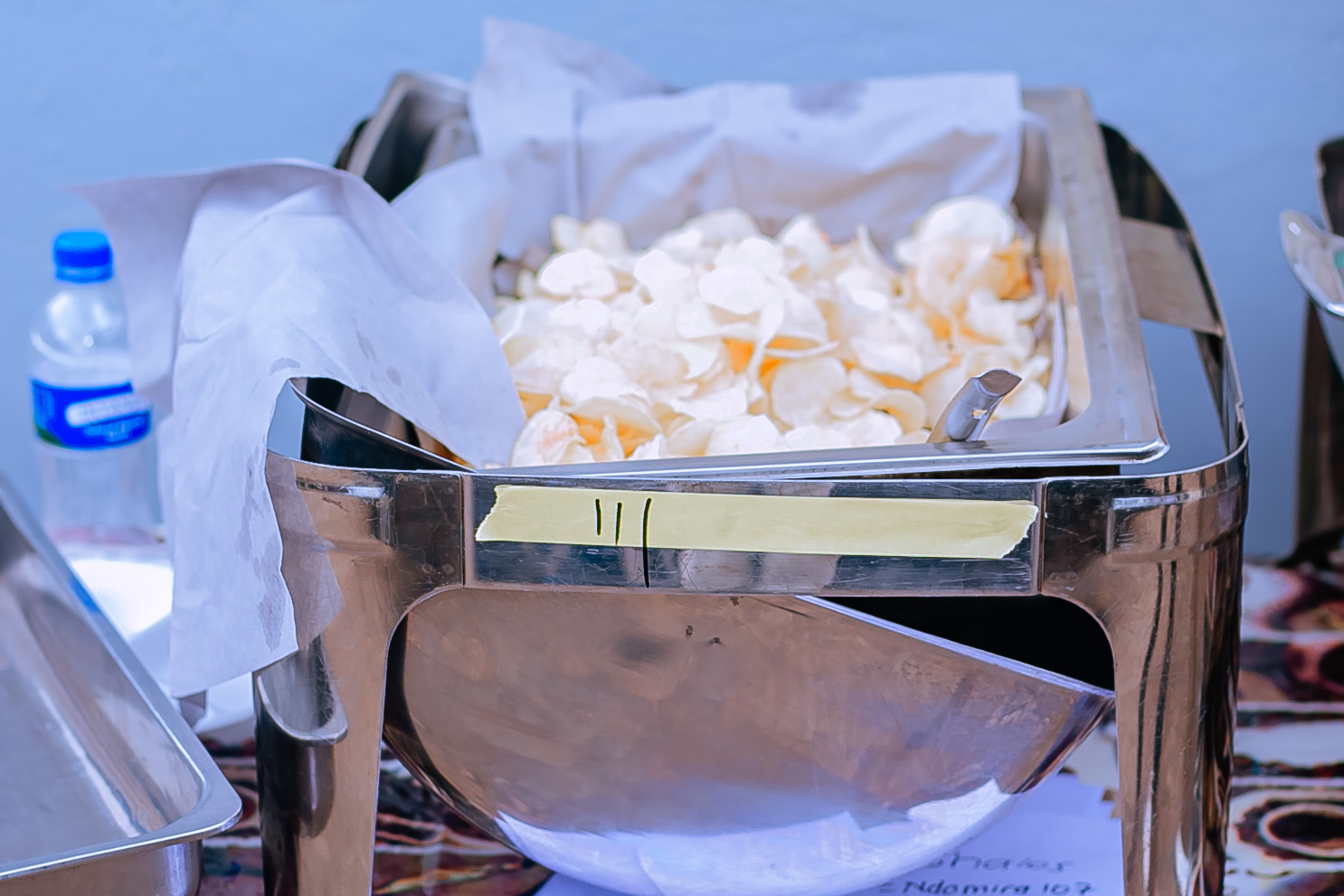
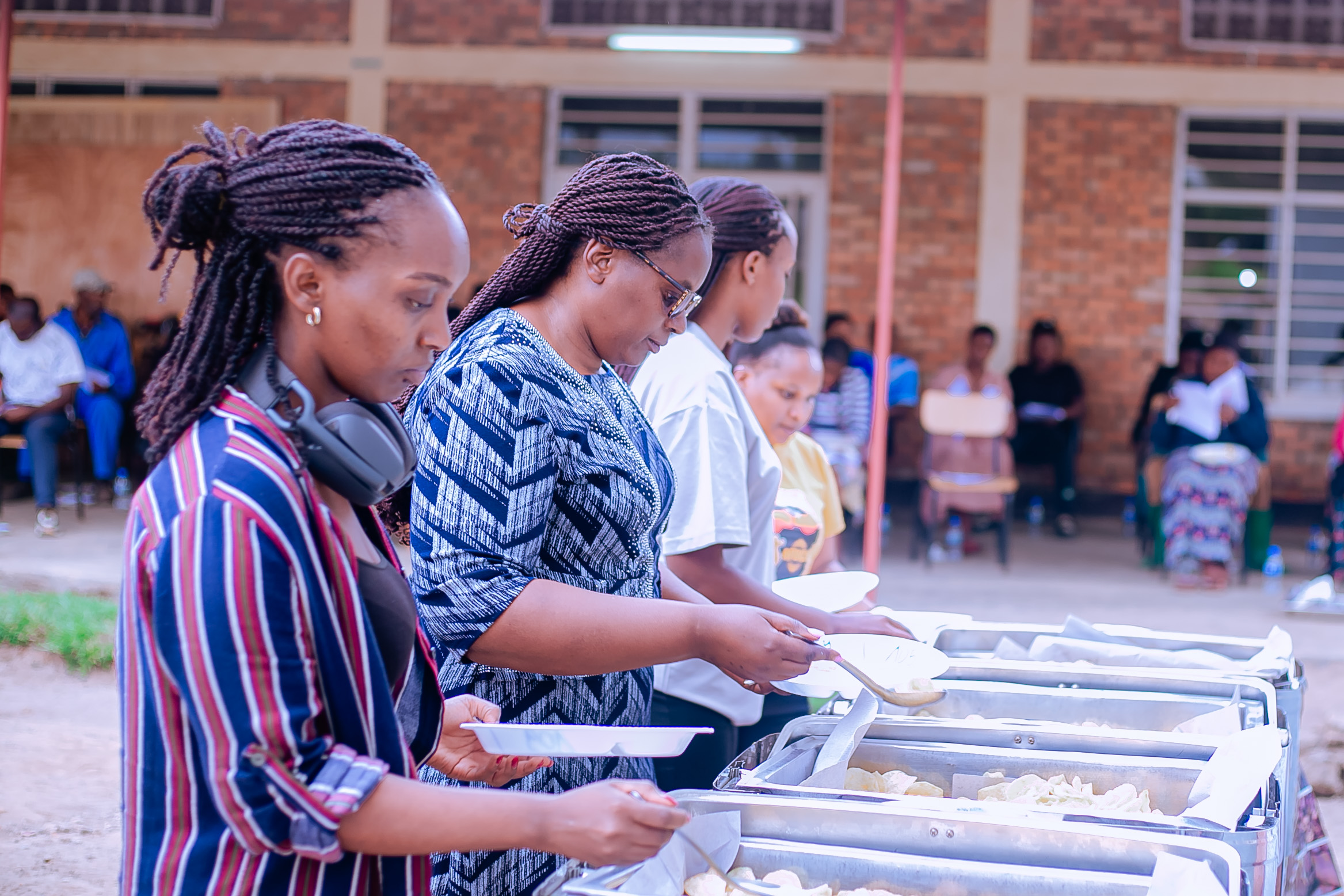
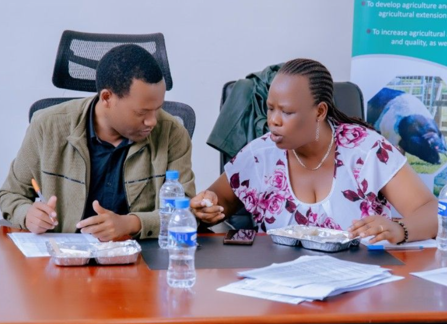
A sensory evaluation of biotech potato materials was conducted on 17 July 2026 at the RAB Musanze Station. The exercise brought together staff and farmers to assess coded potato samples, including entries 105, 107, 109, and 111.
Before the evaluation, participants were briefed on the assessment process and the protocol to ensure consistent and objective scoring. Both boiled and fried potato samples were evaluated based on consumer-relevant characteristics, including appearance, texture, taste, and overall acceptability.
The exercise was successfully completed and generated useful feedback on the quality and acceptability of the tested potato materials. The results will complement field performance data and contribute to the broader assessment of the varieties’ quality, suitability, and potential adoption by farmers and consumers.

Expanding Tissue Culture Capacity for Clean Cassava Planting Materials-Huye-Rubona Biotech Cassava Multiplication Facility Visit
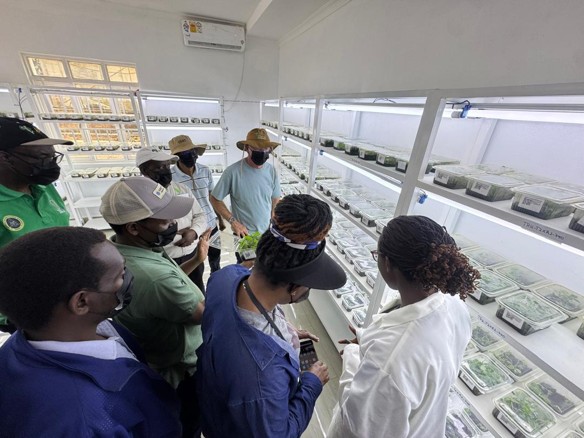
RAB scientist and Partners visited the laboratory facility responsible for the multiplication of biotech cassava plantlets using a vermiculite-based tissue culture system. The facility plays a critical role in producing clean and disease-free planting materials that will support the future distribution and commercialization of improved cassava varieties resistant to major diseases. The mission team commended the efforts of the laboratory staff and researchers for maintaining healthy plantlets and advancing multiplication activities despite limited infrastructure capacity. The growth room chambers and tissue culture multiplication systems demonstrated the institution’s commitment to ensuring the availability of quality planting materials to meet future farmer demand. Nevertheless, the team observed that the current laboratory space is relatively small and may not be sufficient to support large-scale multiplication once commercialization of biotech cassava varieties begins. Consequently, recommendations were made to expand and upgrade the tissue culture facility to enhance production capacity, operational efficiency, and preparedness for nationwide dissemination of improved planting materials.
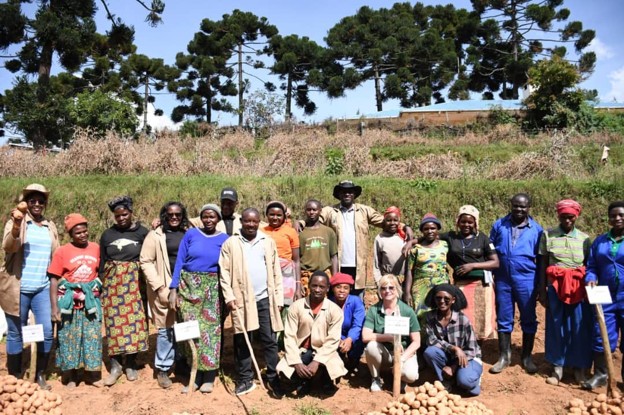
RAB Scientists and partners at Rwerere RAB station
The “Seeing is Believing” activities conducted across the Rwanda Agriculture and Animal Resources Development Board (RAB) potato confined field trial (CFT) and National Performance Trial (NPT) sites in Nyamagabe, Rwerere, Tamira, and Musanze provided a practical demonstration of the performance and adaptability of biotech potato genotypes under Rwanda’s major potato-growing agroecological zones. The trials evaluated the biotech potato lines VIC 185 and SHA 105 alongside widely cultivated conventional varieties such as Shangi, Kirundo, Victoria, and Cruza 148, focusing on yield performance, tuber size distribution, plant vigor, tuber quality, and environmental adaptability. In Nyamagabe, VIC 185 showed strong potential for producing large tubers with high big-tuber weights and good plant survival, while SHA 105 demonstrated superior tuber numbers and uniformity with low levels of defects and rotting. Similar trends were observed at Rwerere, where VIC 185 produced balanced medium and large tubers with excellent plant establishment and healthy tubers, whereas SHA 105 consistently recorded high tuber counts and stable performance across replications. At Tamira, environmental conditions favored prolific tuber initiation rather than tuber bulking, resulting in very high numbers of small tubers for both biotech genotypes and local varieties, highlighting the influence of agroecological conditions on tuber development. The Musanze “Seeing is Believing” field day brought together researchers, partners, and farmers, allowing stakeholders to directly observe the comparative performance of biotech and conventional potato varieties under the highland conditions of the Virunga zone. Farmers visibly appreciated the enhanced plant vigor, improved tuber uniformity, and strong yield potential demonstrated by the biotech varieties, particularly the larger tuber expression of VIC 185 and the consistent tuberization capacity of SHA 105. Overall, the observations across all trial sites confirmed that the biotech potato genotypes possess complementary agronomic strengths and exhibit promising adaptability across Rwanda’s diverse potato production environments, reinforcing confidence in the potential contribution of biotechnology to improved potato productivity, food security, and farmer livelihoods in Rwanda.
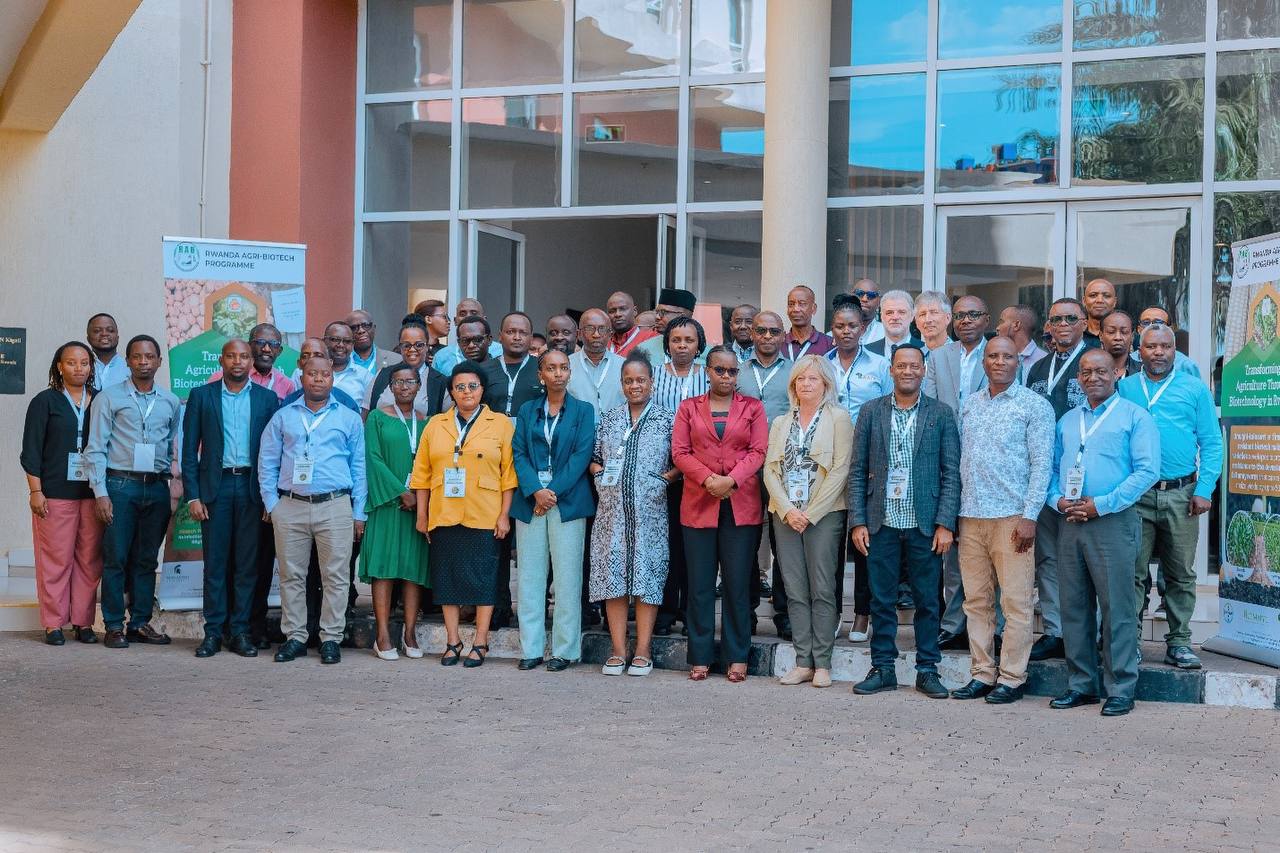
Strengthening Risk-Based Approval and Communication of Biotech Crops in Rwanda
The Rwanda AgriBiotech Programme convened a two-day workshop titled “The Role of Risk in the Approval Framework and Communication of Biotech Crops” on 16–17 June 2026 in Kigali, Rwanda. The hybrid workshop brought together representatives from RAB, AATF, Michigan State University, CIP, regulatory institutions, research organizations, the seed sector, farmer groups and the media. In her opening remarks, RAB Acting Director General Dr Florence Uwamahoro emphasized the importance of responsible, science-based introduction of biotechnology as Rwanda advances biotech cassava, potato and maize products toward registration and deployment.
The first day focused on risk analysis, biosafety approval, product stewardship and variety registration. Sessions led by Rob, Francis, Immaculate and Dr Athanase examined how biotech crops are assessed against their conventional counterparts, the evidence required in regulatory dossiers and the stewardship measures needed after approval. Participants reviewed progress on cassava resistant to cassava brown streak disease, potato resistant to late blight and maize resistant to fall armyworm. Practical group exercises also helped participants understand how technical safety information can be translated into clear answers for farmers, consumers, policymakers and other non-technical audiences.
The second day strengthened participants’ skills in coordinated and audience-focused biotechnology communication. Nancy Muchiri, George and Pacifique led sessions on communication strategies, institutional protocols, media engagement, social media and the use of tools such as frequently asked questions, core messages, policy briefs and digital content. Through active-listening exercises and role-play, participants practised explaining biotechnology in simple, accurate and relatable language. In closing, Dr Athanase encouraged participants to apply the knowledge gained and continue collaborating as champions of responsible product stewardship and evidence-based communication in Rwanda.
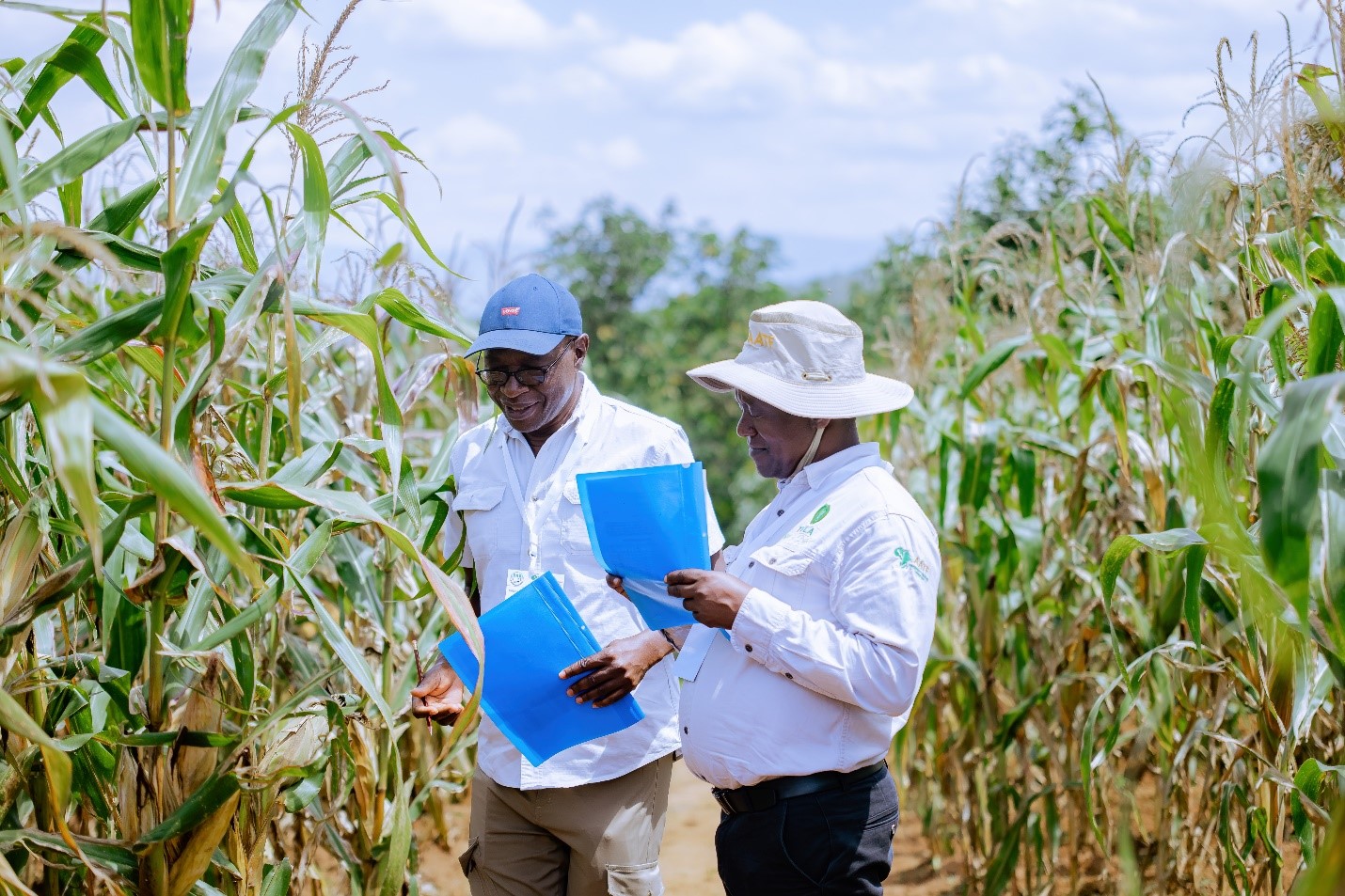
Multi-Location Field Evaluation of TELA Maize Varieties Concludes with Strong Preliminary Performance Insights Across Rwanda
From 26–29 May 2026, a multidisciplinary technical delegation conducted a comprehensive multi-location evaluation of TELA maize varieties under the “Rwanda Multi-location Evaluation of TELA Maize Varieties”, covering Nyagatare (Cyabayaga and Karama), Musanze, and Huye (Rubona). The exercise brought together experts and stakeholders from institutions including the African Agricultural Technology Foundation (AATF), Rwanda Agriculture and Animal Resources Development Board, International Maize and Wheat Improvement Center, Bayer, MINAGRI, RICA, NSAR, seed companies, and Alliance for Science–Rwanda, alongside technical field teams. Across all sites, 12 biotech maize entries were assessed using a standardized 1–5 scoring system based on vigor, uniformity, pest and disease resistance, plant health, and overall field performance. The trials were designed to compare Bt maize performance against conventional checks under both sprayed and unsprayed pest management regimes, targeting key constraints such as fall armyworm and stem borer infestation.
Field observations consistently indicated a clear performance advantage of several Bt maize varieties over conventional checks, particularly under high pest pressure, where non-Bt plots exhibited visible insect damage and reduced vigor. In contrast, selected biotech entries demonstrated strong resilience and uniformity across environments, with one candidate showing particularly stable performance across locations, consistent with prior regional evaluations.
The stacked-trait plots—resistant to both drought and stem borer—were also observed to perform strongly. During the final recap meeting held at Park Inn, participants agreed that while preliminary results are promising, final advancement decisions will depend on complete yield data to be collected at harvest. It was further recommended that the multi-location trial be repeated in the next season to strengthen the evidence base, followed by focused DUS testing on top-performing entries, preparation of technical reports for regulatory agencies such as REMA and RICA, and early planning for seed multiplication and stakeholder engagement. The activity reaffirmed strong institutional collaboration and marked a significant step toward evidence-based advancement of improved maize technologies in Rwanda.
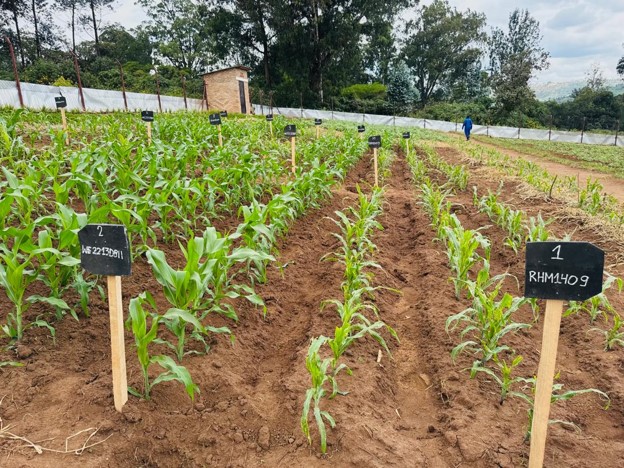
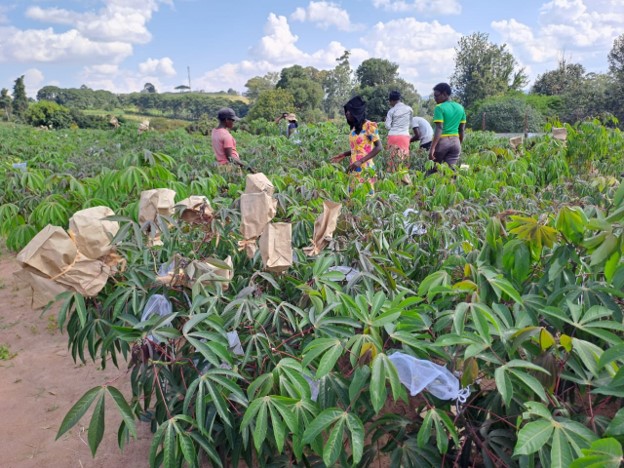
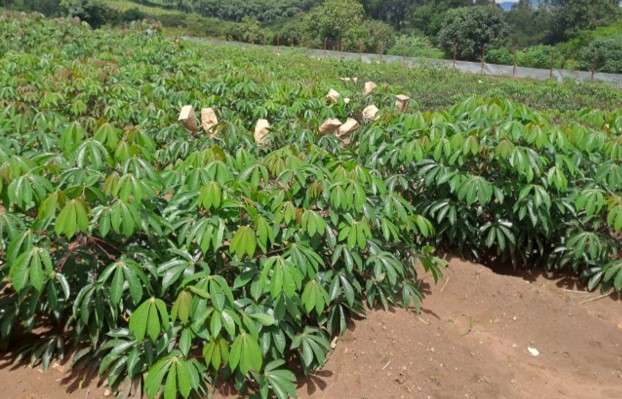
Cassava Six-Month After Planting Data Collection (6MAP)-6th May 2026
The activity involved coordinated field activities in Bugesera and Huye Districts to support the Six-Month After Planting (6MAP) assessment of biotech cassava materials under National Performance Trials and DUS trials. The team began by acquiring cassava stem cuttings from the confined field trial site and establishing additional multiplication plots at the Nemba trial location to expand the availability of clean planting materials for future evaluations. At the same time, staff conducted detailed field observations on foliar symptom expression, virus titers, root health indicators, plant height, and plant vigor. These measurements were essential for determining the disease response, agronomic performance, and general adaptability of the biotech cassava lines under field conditions.
Beyond routine data collection, the activity also contributed to the broader breeding and varietal improvement process by supporting the introgression of Cassava Brown Streak Virus resistance traits into locally adapted cassava varieties. Particular attention was given to early necrosis development, since the six-month stage is a critical period for identifying susceptibility to Cassava Brown Streak Disease. The mission therefore generated valuable evidence for evaluating resistance performance, stability, and uniformity while strengthening multiplication, breeding coordination, and future selection efforts. The activity reinforced ongoing work to develop improved biotech cassava cultivars that combine resistance to disease, farmer-preferred traits, and adaptation to Rwanda’s agroecological conditions.
Maize Seeing is Believing Event
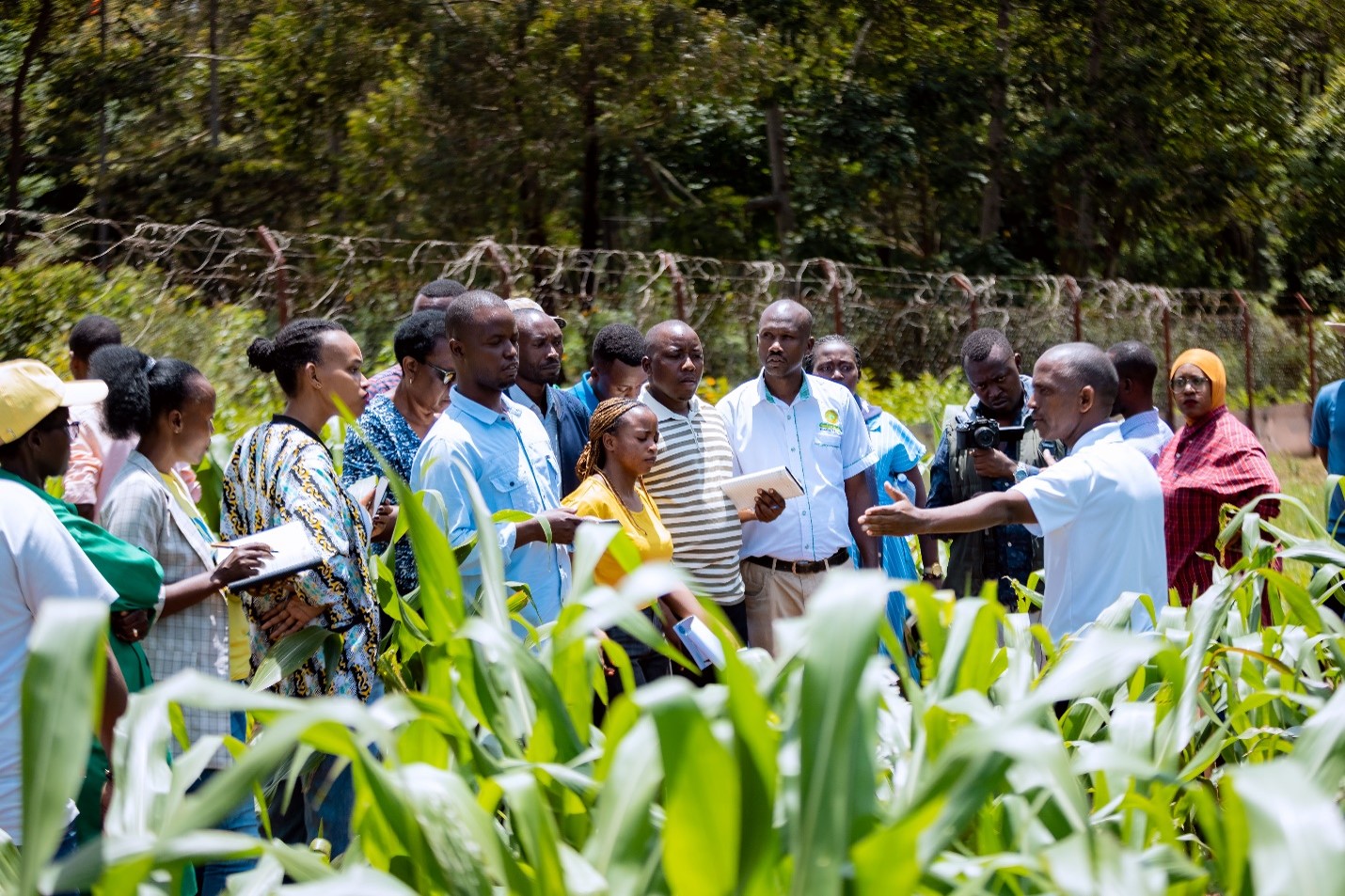
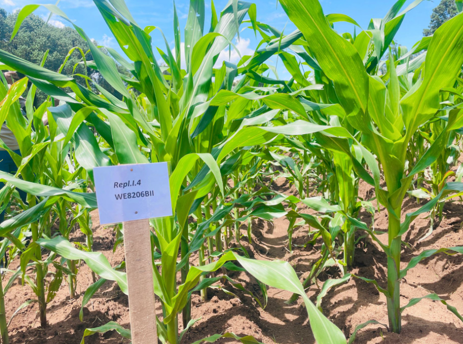
The “Seeing is Believing” session conducted at RAB Rubona Station in Huye District provided an important platform for demonstrating the progress and potential impact of agricultural biotechnology research aimed at improving crop resilience and productivity in Rwanda. The event brought together a diverse range of stakeholders, including researchers, farmers, certified seed multipliers, distributors, and private sector representatives, creating an opportunity for direct interaction, learning, and feedback on ongoing confined field trials of improved maize varieties resistant to Fall Armyworm (Nkongwa). Participants observed firsthand the visible differences between enhanced and non-enhanced maize varieties under real field conditions, with the trials comprising 12 maize varieties evaluated in four replications. Researchers from the Rwanda Agriculture and Animal Resources Development Board (RAB) explained that the initiative responds to the severe impact of Fall Armyworm since its outbreak in Rwanda in 2017, which has caused substantial crop losses—sometimes exceeding 70%—and increased production costs due to repeated pesticide applications. The improved maize varieties are being developed to reduce reliance on expensive chemical pesticides, thereby lowering production costs while contributing to environmental protection and improved human health. In addition to maize, the session also highlighted broader biotechnology research efforts involving six cassava varieties resistant to Kabore disease and two potato varieties resistant to late blight, reflecting Rwanda’s commitment to strengthening resilience across major food crops. Stakeholders expressed optimism regarding the potential benefits of the innovations, particularly their contribution to improved yields, reduced pest-related losses, and enhanced food security. Farmers attending the event also expressed enthusiasm and appreciation for the research efforts, highlighting the burden of frequent pesticide spraying and the financial strain associated with managing Fall Armyworm infestations. The session empowered participants through direct observation and practical engagement, with several farmers indicating their willingness to promote awareness and adopt the improved varieties in the future.
Biotech Cassava Eating is Believing Event
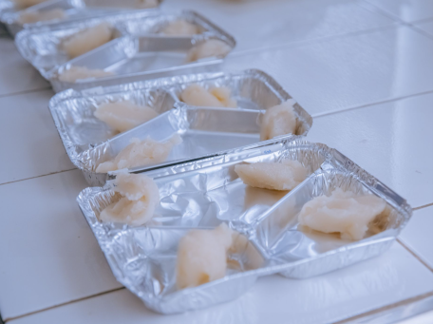
RAB scientists participating in the Eating is believing event 16 March 2026 The “Eating is Believing” agricultural biotechnology awareness activity conducted at the Rubona RAB Station in Huye served as an important platform for stakeholder engagement, sensory evaluation, and public awareness creation on improved cassava varieties developed through modern agricultural biotechnology approaches. Organized by RAB in collaboration with RABP-CMP partners, the activity brought together researchers, journalists, partners, and other stakeholders to participate in a degustation exercise involving six improved cassava varieties. The sensory evaluation focused on key consumer-oriented attributes including taste, texture, aroma, cookability, and overall acceptability, allowing participants to directly assess the eating quality and market potential of the varieties. The exercise generated valuable feedback that will support the cassava variety registration process with RICA, while the collected data will be further analyzed by the Cassava Research Team to guide future varietal improvement and dissemination efforts. Participants observed clear differences among the cassava varieties in terms of palatability and culinary performance, reinforcing the importance of integrating consumer preferences into crop improvement programs.
Rwanda AgriBiotech Partners Align Product Delivery and Commercialization Plans
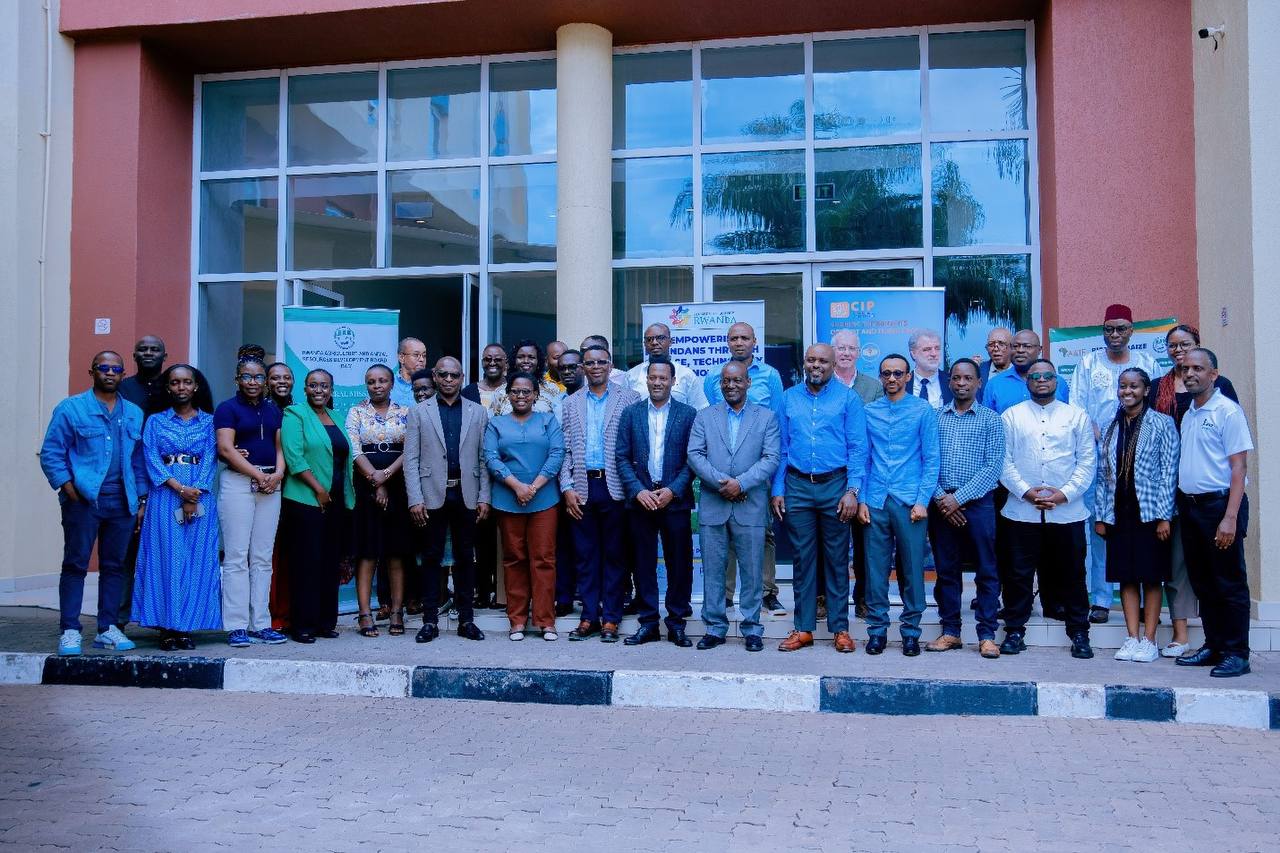
The Rwanda Agricultural Biotechnology Programme–CMP convened an Alignment of Product Delivery and Commercialization Workshop from 12–13 March 2026 at Park Inn by Radisson in Kigali, Rwanda, followed by a field visit on 14 March 2026. The workshop brought together researchers, regulators, technology partners, seed-system experts and programme managers to review progress and develop a coordinated pathway for moving biotech cassava, maize and potato products from advanced trials toward registration, seed multiplication and responsible commercialization. Dr Athanase Nduwumuremyi opened the meeting, while Abed emphasized the need to accelerate product delivery while maintaining full compliance with regulatory requirements. Dr Leonce Dusengemungu presented the programme’s Year 2 deliverables, including variety registration dossiers, seed-grower training and the completion of crop-specific stewardship plans.
During the technical sessions, crop teams presented progress and refined commercialization plans for the programme’s priority products. Dr Claver, Dr Theogene and Sylvester Oikeh outlined the pathway for biotech maize, including multi-location evaluations, parental-line multiplication and assessments of local seed-company capacity. The potato team, represented by Anastase, Eric Maghembe and Marc Gishlain, shared strong trial results showing that late blight-resistant potato varieties remained healthy without routine fungicide applications, while conventional varieties experienced severe disease damage. The cassava team, led by Nigel Taylor and Dr Athanase Nduwumuremyi, proposed a stewardship framework incorporating clean-seed replacement, physical tagging and a digital Cassava Seed Tracker to strengthen traceability from certified seed producers to farmers.
The workshop also addressed product stewardship, intellectual property management, licensing, monitoring and impact assessment. Francis and Immaculate guided discussions on maintaining product integrity throughout the seed-delivery chain, while Keziah presented practical licensing options for seed producers and distributors. Joyce and Yvonne Ucyeye emphasized results-based monitoring and standardized digital reporting. On 14 March, participants visited the maize and cassava confined field trials at Rubona and the cassava National Performance Trials in Bugesera, where they observed strong performance of Bt maize against stem borers and healthy growth of biotech cassava materials. The visit also identified the need to improve field labelling, install biosafety signage and expand cassava multiplication facilities to support future demand.
Strengthening Potato and Maize Research Infrastructure and Field Trial Monitoring Across RAB Stations in Rwanda
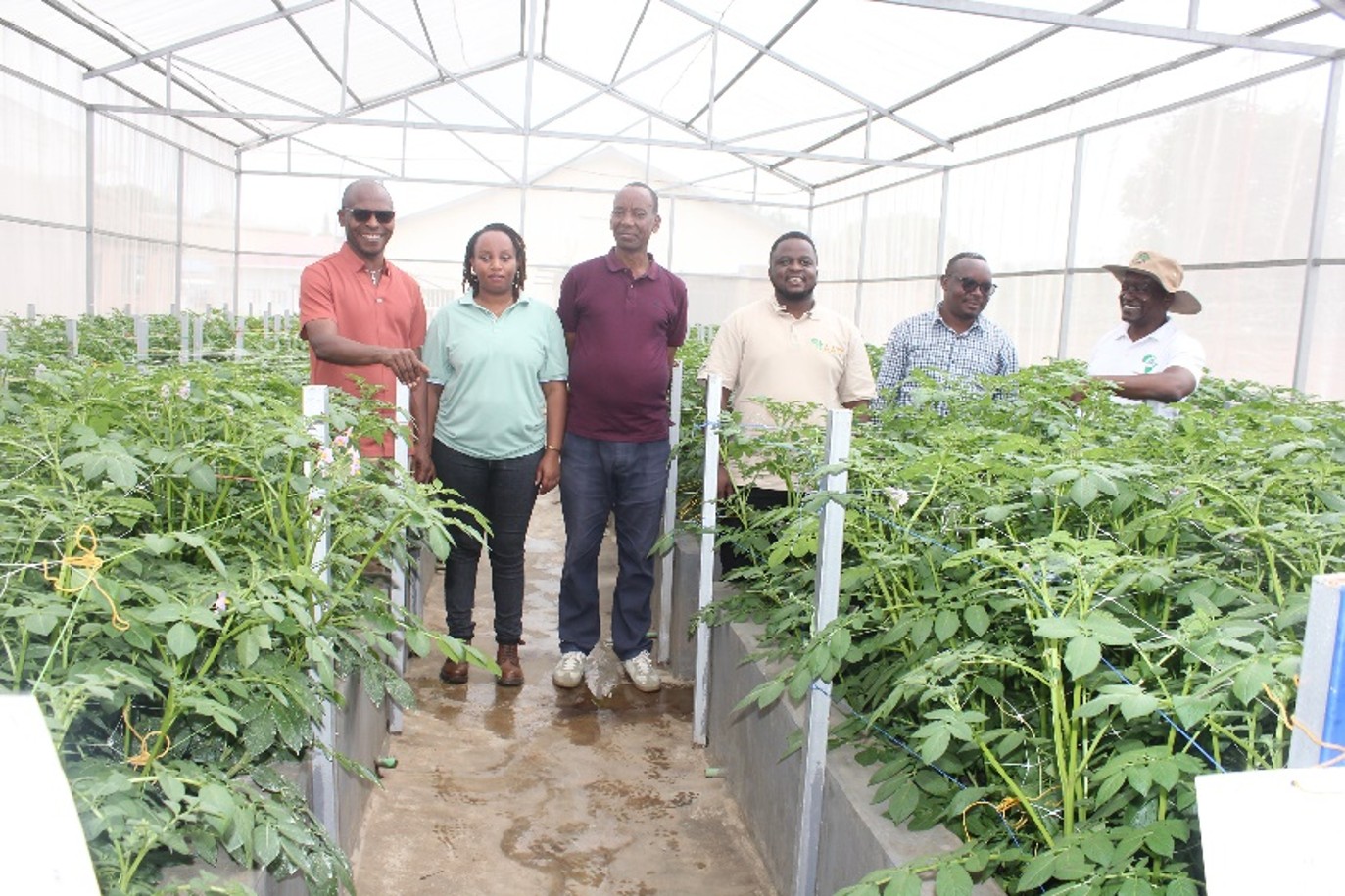
RABP-CMP Staff conducted from 17–18 December 2025 across multiple Rwanda Agriculture and Animal Resources Development Board (Rwanda Agriculture and Animal Resources Development Board) stations, including Musanze, Rwerere (Burera), and Nyagatare. The activity focused on assessing progress of ongoing potato National Performance Trials (NPT), evaluating the readiness of newly developed biotechnology infrastructure, and reviewing the preparedness of maize CFT sites, including irrigation systems and supporting field installations. The technical team also provided on-site guidance to strengthen trial management, laboratory readiness, and infrastructure maintenance across locations.
At Musanze, the technical team observed steady progress in the potato tissue culture program, with approximately 600 Victoria and 400 Shangi plantlets under multiplication. The newly constructed tissue culture laboratory, designed to support up to 80,000 plantlets, was identified as a major scale-up opportunity. However, several critical gaps were noted, including incomplete installation of air conditioning units, growth lamps, laminar flow hoods, autoclaves, and other essential biosafety equipment required for full operationalization. The greenhouse infrastructure was found to be structurally complete with reliable water supply systems in place, while field evaluations demonstrated clear performance differences between transgenic potato lines and conventional varieties under both sprayed and unsprayed conditions. At Rwerere (Burera), potato trials followed similar protocols and were generally well managed despite high disease pressure from Phytophthora infestans, with harvesting scheduled for early 2026. The technical team commended adherence to experimental protocols while noting persistent disease pressure even in treated plots.
At Nyagatare maize CFT, the technical team assessed infrastructure readiness and irrigation system protection measures. Repairs to storm-damaged structures were confirmed to be satisfactory, and immediate actions were taken to safeguard sensitive soil moisture probes from potential damage during field operations. The irrigation system, supported by pump stations and solar panels, was operational. The mission concluded that while field trials are progressing effectively and infrastructure development is advancing, priority attention is still required in completing laboratory equipment installation, improving biosafety compliance, and strengthening post-harvest planning for potato trials, alongside enhanced protection of field monitoring systems to ensure long-term research efficiency and data integrity.
Biotech Cassava NPT 1 Harvest
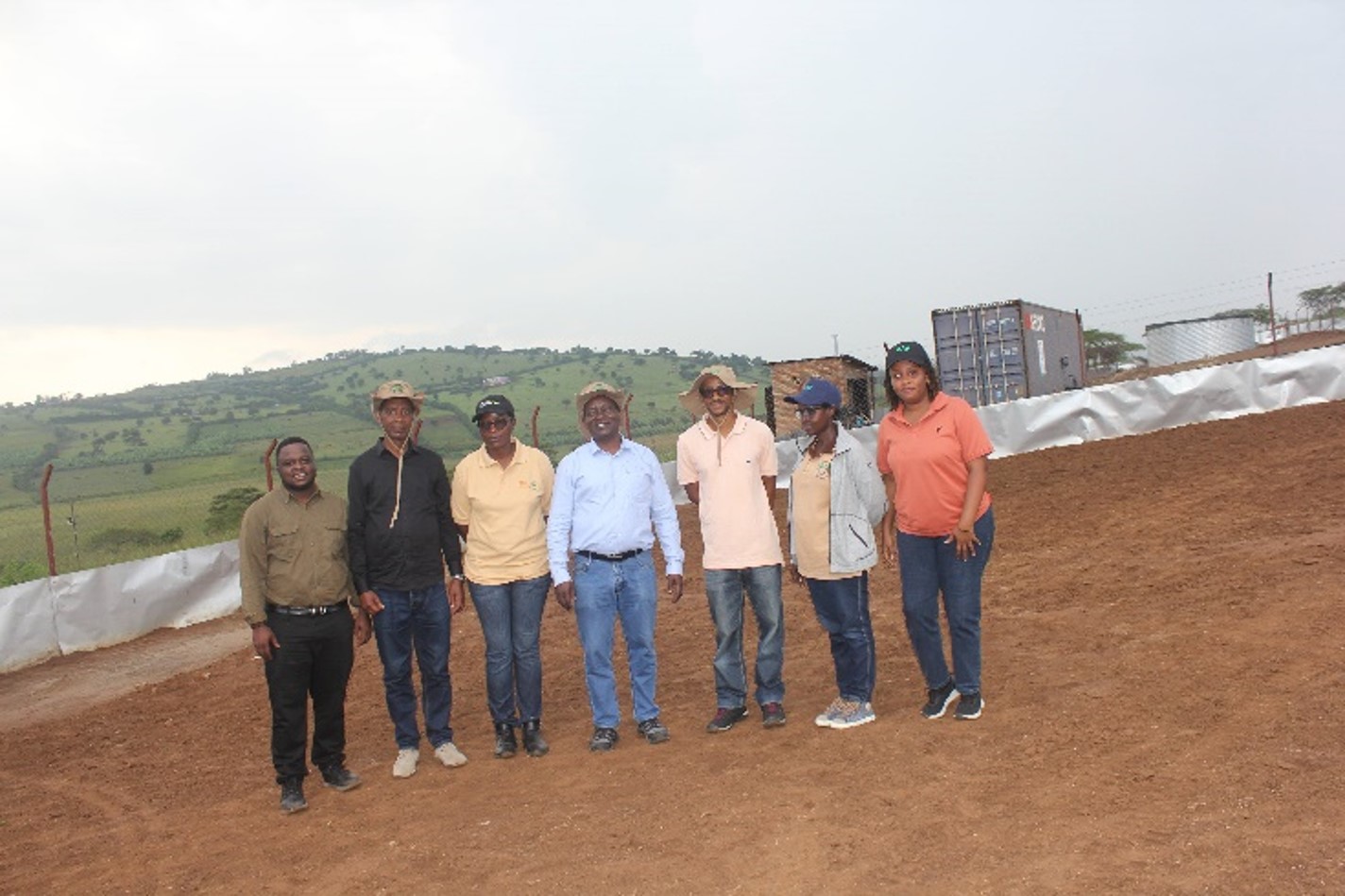
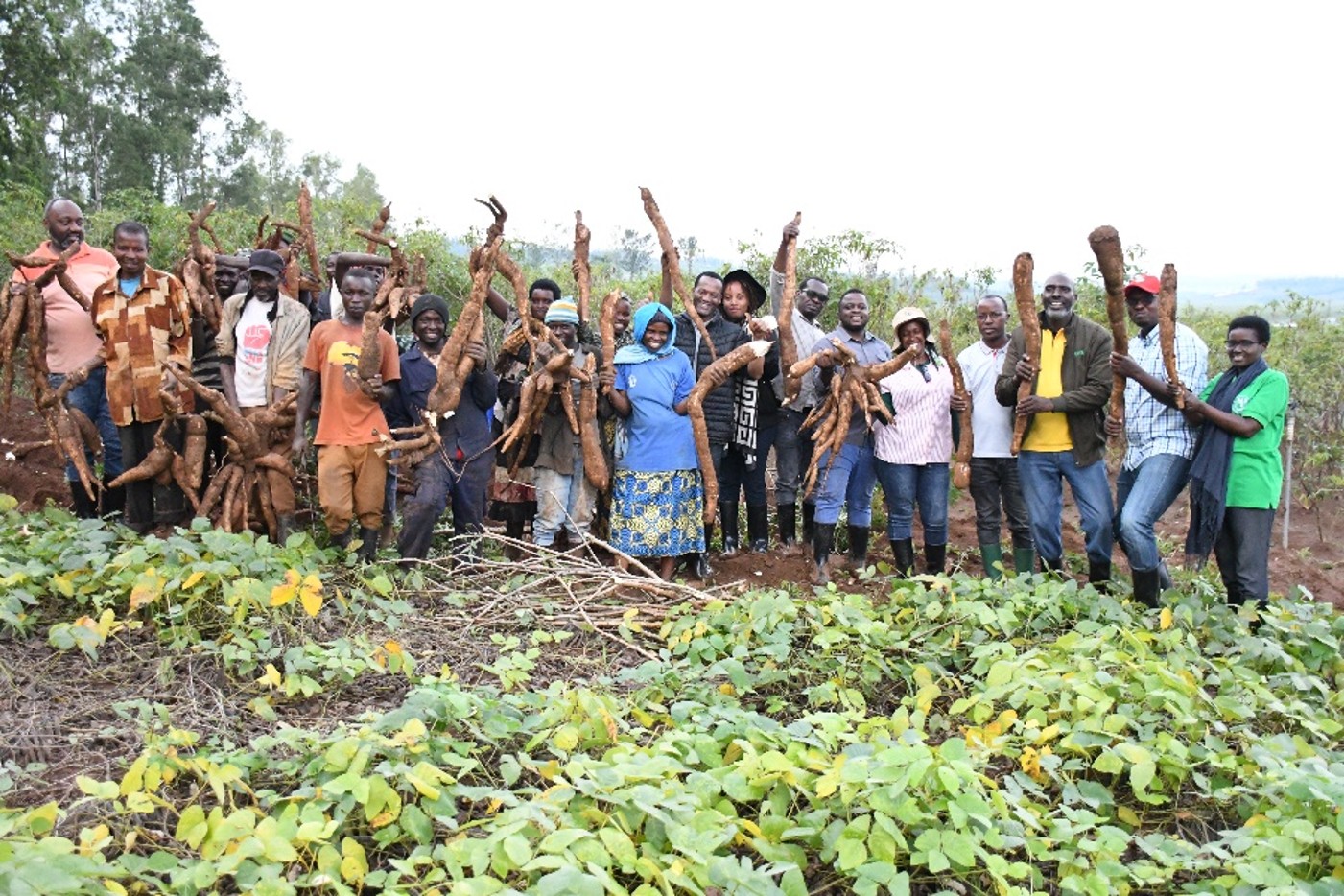
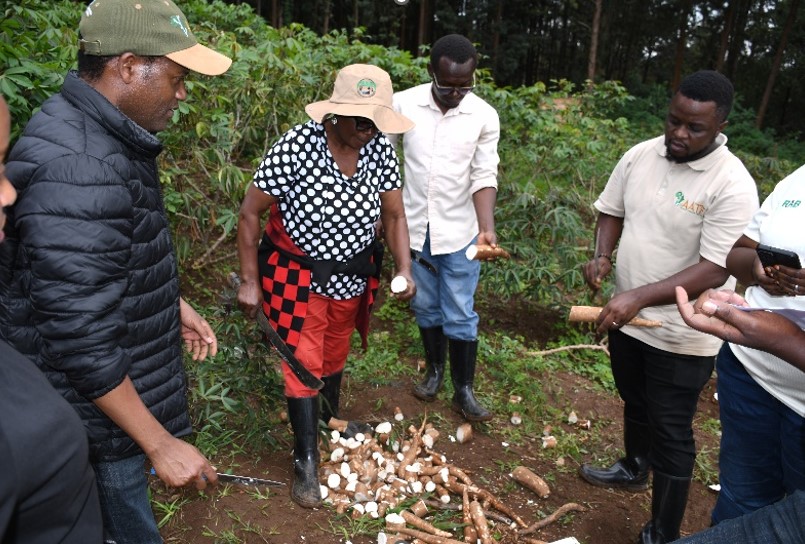
This activity was conducted from 28 to 30 October 2025 across three cassava research sites in Rwanda—Rubona in Huye District, Mututu in Nyanza District, and Musenyi in Bugesera District—where the research team carried out the harvest of cassava trials established under ongoing RABP-CMP . During the activity, the team harvested seven trials at each site, including transgenic and traditional cassava varieties, with the aim of generating data to support the National Performance Trial 1 (NPT-1). In addition to harvesting, the team evaluated field performance, assessed resistance to Cassava Brown Streak Virus (CBSV), compared tuber yield among the different lines, and collected samples for molecular identification, biochemical analysis, and dry matter testing.
Biotech Cassava National Performance Trials Established at Rubona, Mututu, and Nemba
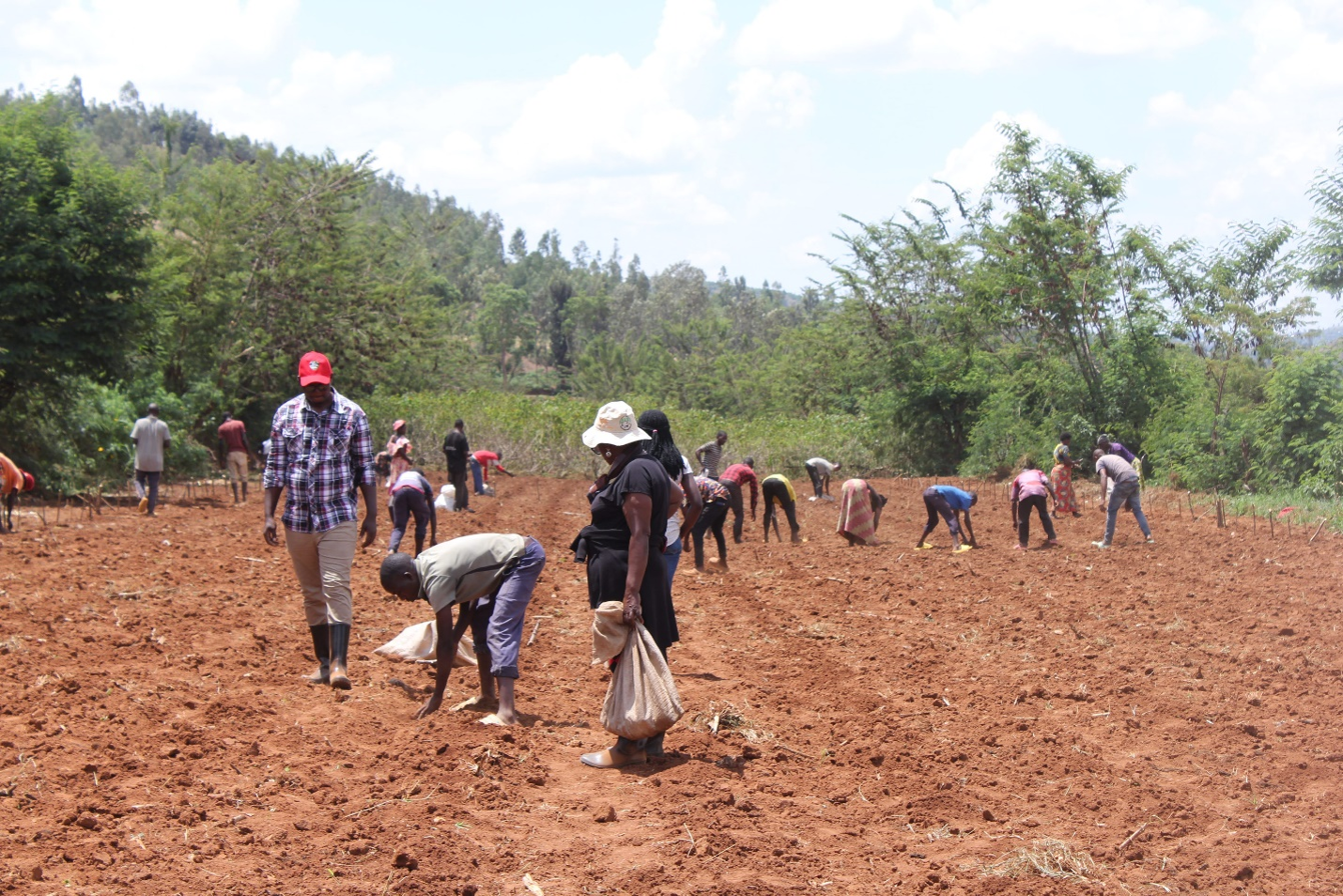
From 3–7 October 2025, RAB-Cassava Team established the second biotech cassava National Performance Trials at Rubona, Mututu, and Nemba field sites ( NPT-2) . The activity marked an important step in advancing biotech cassava from confined field trials to open-field evaluation, with six biotech lines and two control varieties planted under approved biosafety procedures. Key field operations included land preparation, application of organic fertilizer, selection of healthy planting materials, and planting of DUS trials to assess distinctness, uniformity, and stability. The activity also identified practical follow-up actions, including improved labeling, safer handling of cuttings, and close monitoring of crop establishment, especially at Nemba where rainfall may be limited.